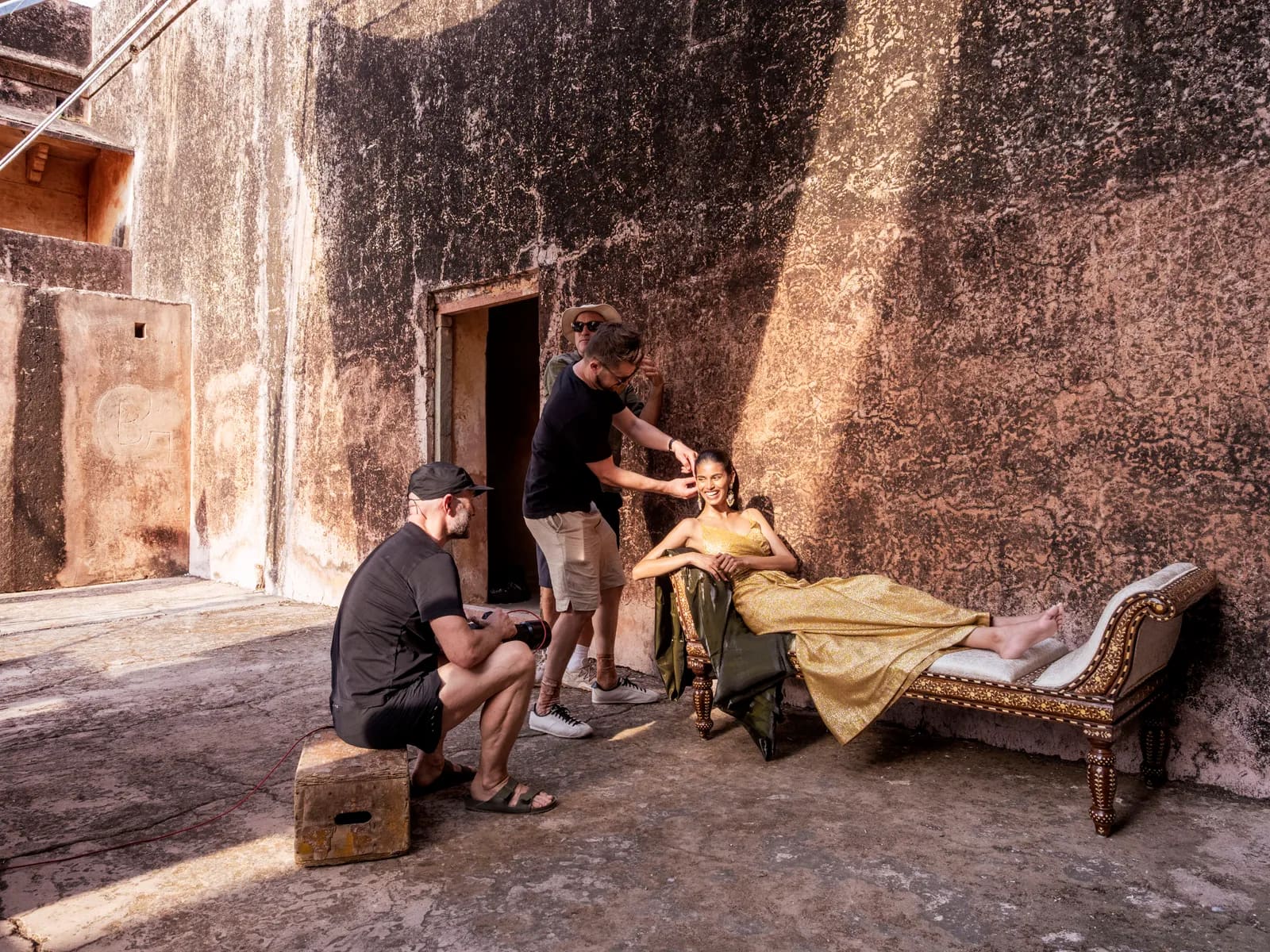
It’s 37 degrees, and the Rajasthani sun beats down on us on a sweltering afternoon in May. But Bhavitha Mandava barely breaks a sweat. She seems perfectly at home as the light catches her golden Pierre Balmain gown and bounces off her chandelier earrings. It’s the model of the moment’s first trip back home after a whirlwind rise that plucked the New York-based, Hyderabad-raised architecture student from obscurity, placing her at the heart of worldwide fame.
So, what brings her to Jaipur’s Jaigarh Fort as the subject of celebrated Norwegian fashion photographer and filmmaker Sølve Sundsbø’s lens?
Mandava is one of a roster of some of the world’s most recognised South Asian women including model Lakshmi Menon, author and television presenter Padma Lakshmi, Grammy-nominated musician Anoushka Shankar, poet Rupi Kaur, and actors Frieda Pinto, Avantika Vandanapu and Aditi Rao Hydari – all of whom appear in the 2027 edition of The Cal or the iconic Pirelli Calendar by the mononymous Italian tyre company.
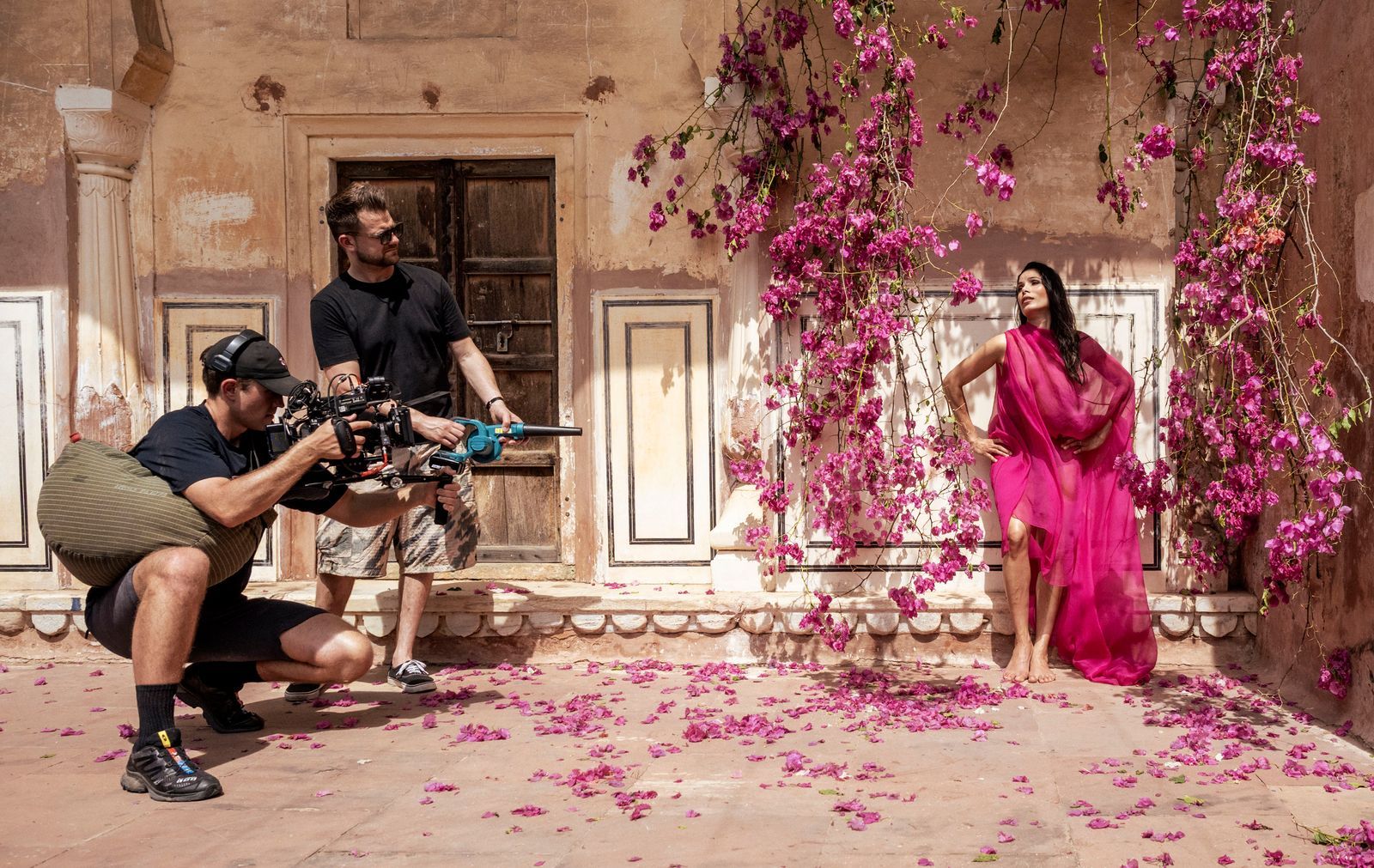
Freida PintoAlessandro Scotti
For six decades, they have worked with some of the most iconic names in fashion for these limited edition calendars – from photographers Richard Avedon and Peter Lindbergh to famous faces like Uma Thurman, Nicole Kidman and Gigi Hadid. Once known for its overtly glamorous imagery, it has since moved towards a more cultural lens. Case in point: The India-focused 2027 edition shot across New Delhi and Jaipur, the first time it has been set in and dedicated to one culture. The aim of this shoot was to depict India expanded beyond the obvious stereotypes.
The photographers
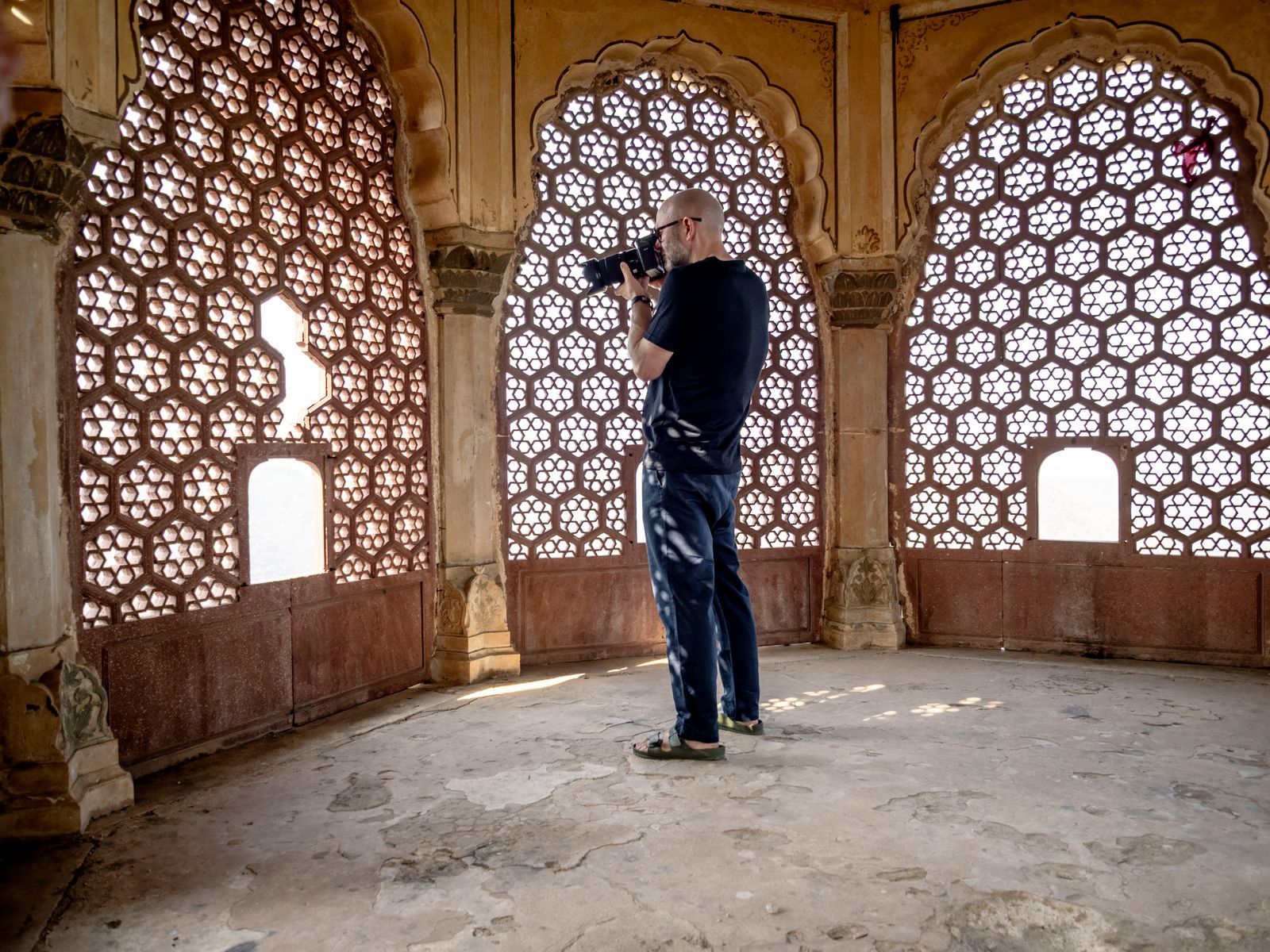
Sølve SundsbøAlessandro Scotti
It’s something Sundsbø was mindful of in his approach too. “India is the most complex country I can think of. Everyone has an idea of what it is – everyone is probably right and everyone is probably wrong. I don’t think my pictures are anything except for an idea of what I think it is. I’m a guest and a tourist here. I’m not going to pretend to be anything else,” he says when we meet on set in Jaipur.
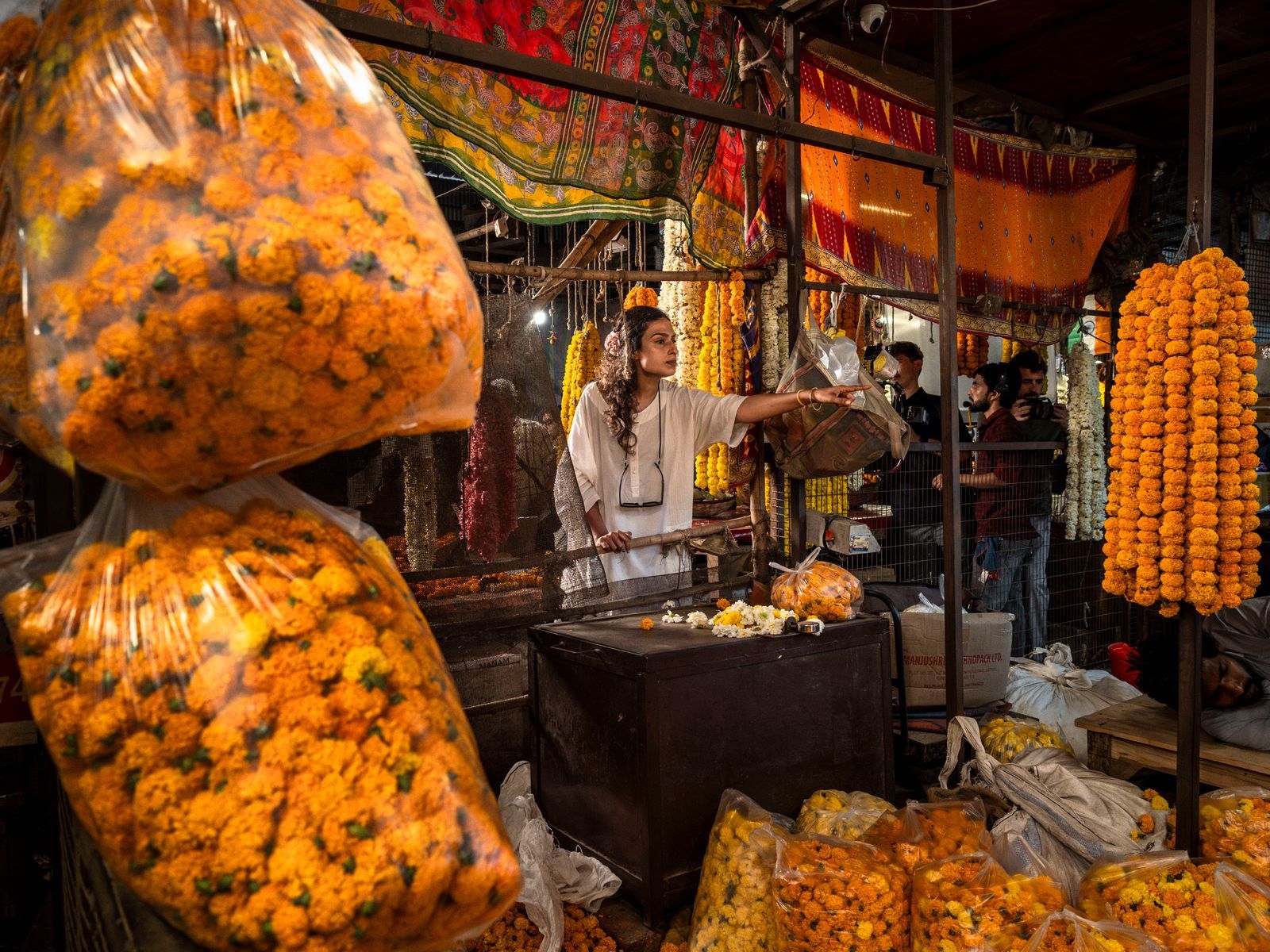
Photographer Avani Rai, who took on the project after her father, Raghu Rai, passed awayAlessandro Scotti
Originally conceived as a collaboration between Sundsbø and legendary Indian photographer Raghu Rai, the project took an unexpected turn following the latter’s passing in April. So, his daughter, photographer Avani Rai, who was originally meant to be one of the famous faces shot for the calendar, took on another role: stepping in to complete her father’s last assignment.
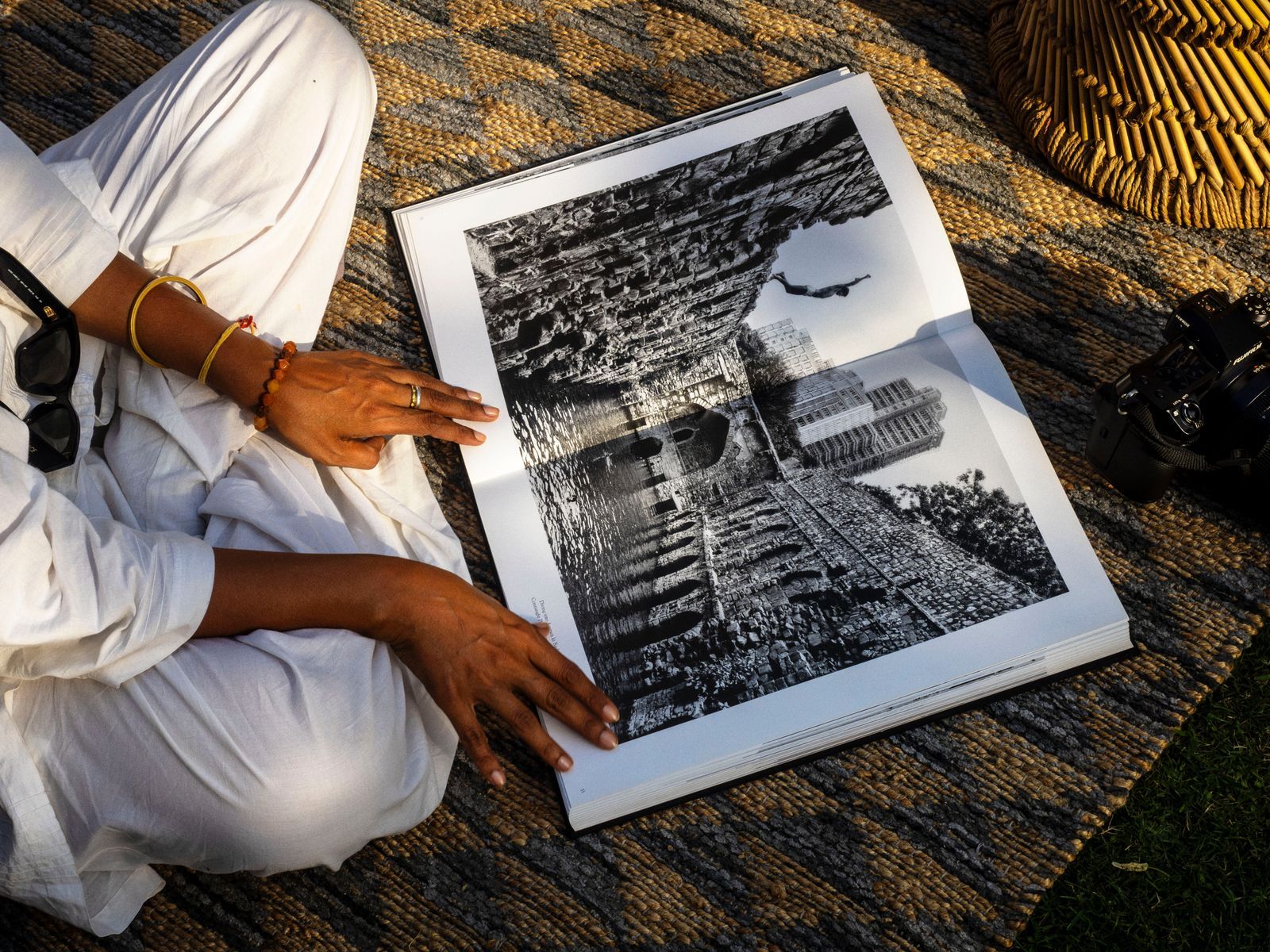
Raghu Rai’s workAlessandro Scotti
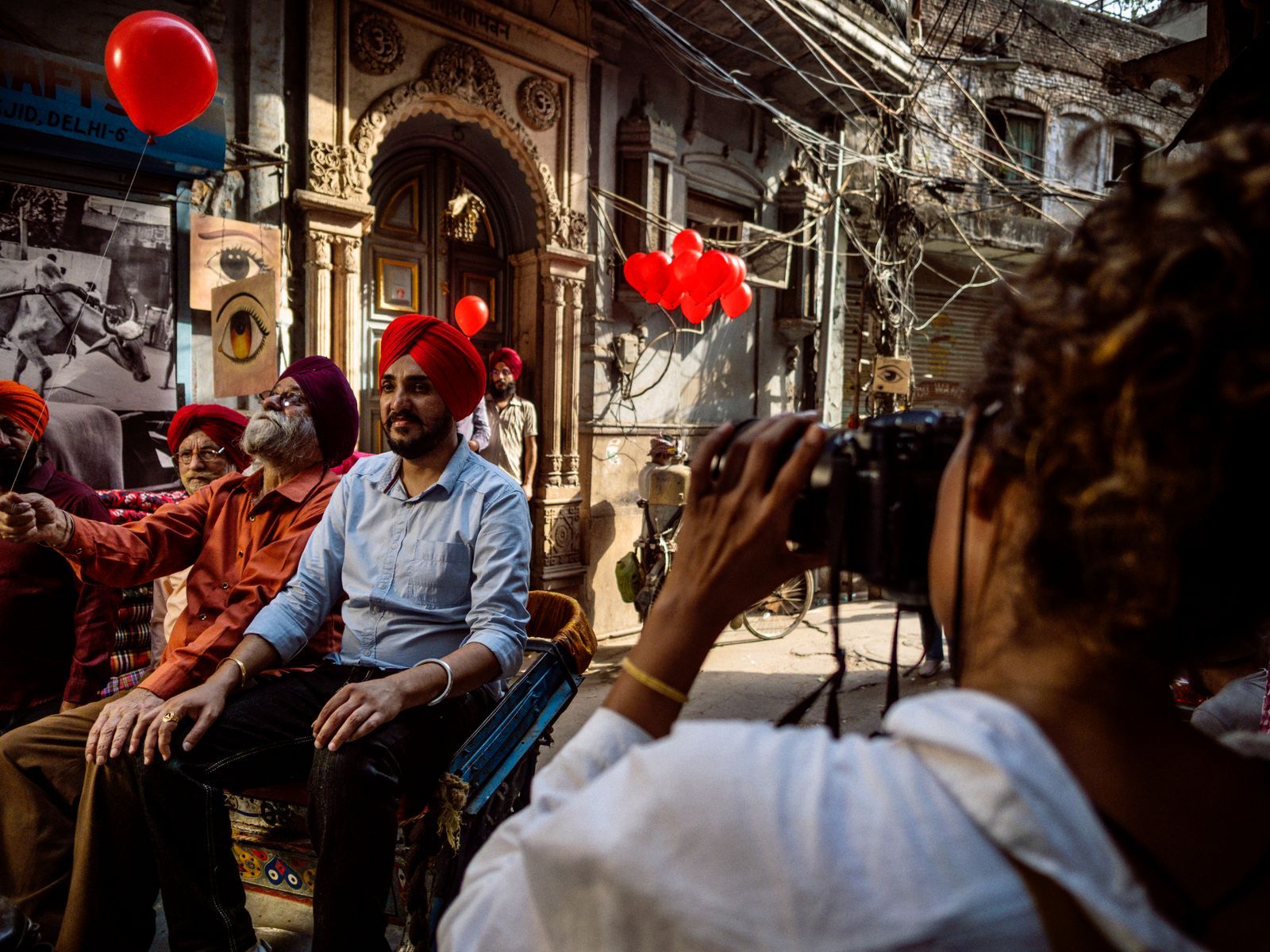
Scenes in Old DelhiAlessandro Scotti
Did Rai – whose father challenged the exoticised image of India in the West through his images – worry that an outside gaze would fail to mirror her country’s soul and integrity? “I don’t think so. A point of view is a point of view, as long as it’s captured with dignity.” Rai also did not bog herself down with the weight of filling her legendary father’s shoes. “I cannot shoot like him because I am not him. I’m not going to try to recreate what he would have done, because that will take away from him and from me. But I will create something keeping him in all my frames, through his imagery.”
So, while she brings her own perspective and understanding to the table, the photographs retain her father’s original concept of ‘past forward’ – to use his archival unpublished images against the backdrop of contemporary India. Initially, the plan was to create this in a studio but Avani decided to take it out into the streets and markets of Old Delhi. This added the colour, the people and the themes from Raghu Rai’s previous work into his vision for this project, bringing it to life in a manner that was as poignant as it was powerful. “My father always said he was looking for the divine in every frame. And I’m looking for him. So, in that sense, we are both looking for the divine,” Rai adds.
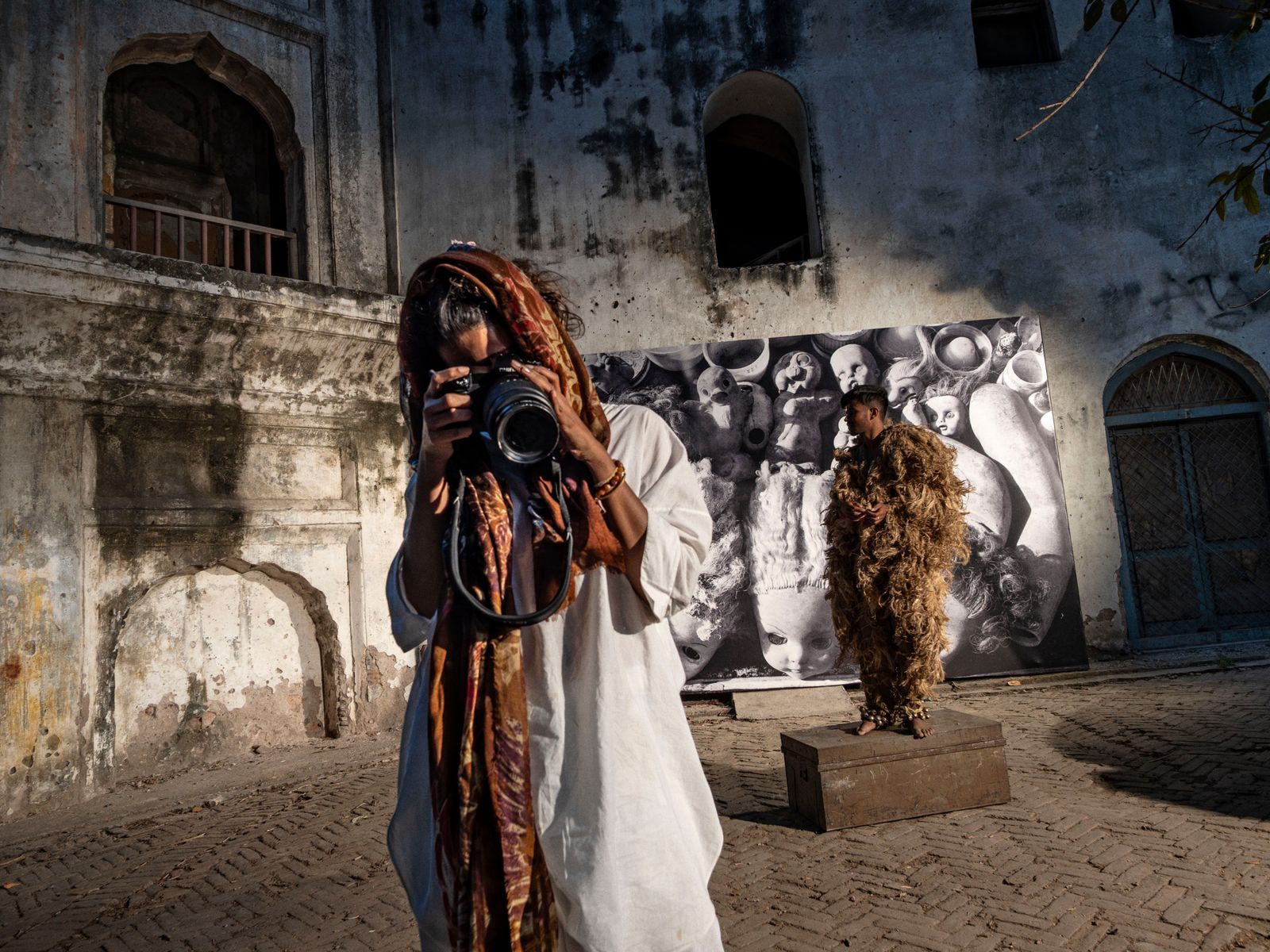
Avani Rai with Raghu Rai’s archival image in the backdropAlessandro Scotti
The subjects
“To stand alongside such globally recognised South Asian talent is empowering,” says the 26-year-old Mandawa. “Personally for me, it [starring in the calendar] was about contributing to a narrative that reflects the richness, complexity, and evolution of Indian identity on a global stage. After all, India isn’t a monolith: it’s layered, diverse, and constantly redefining itself,” she adds.
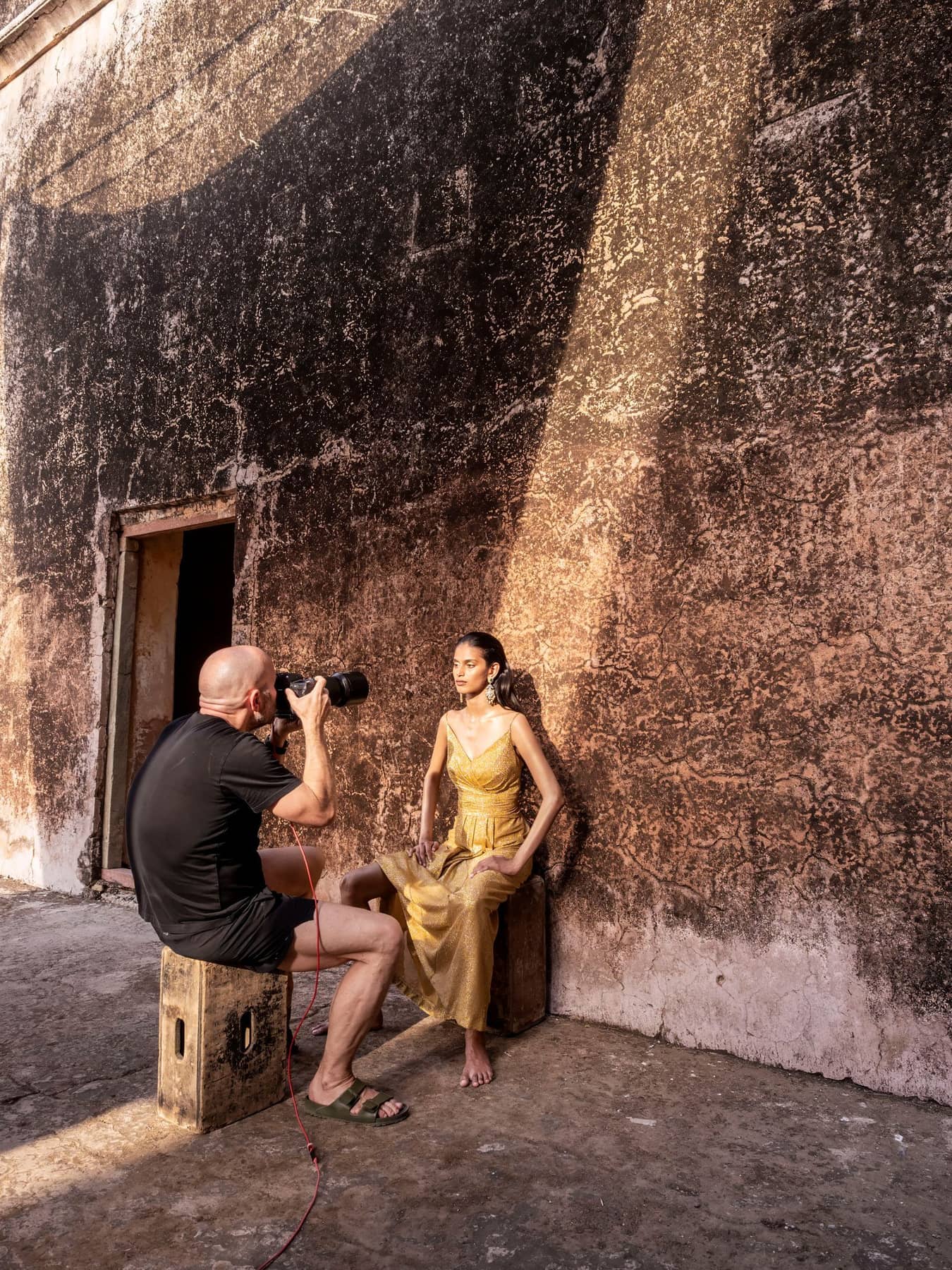
Bhavitha Mandava on the photoshootAlessandro Scotti
We are seated in one of the many terraces of the 300-year-old fort that towers over the Pink City. It’s Mandava’s first time here. “That’s a Mughal Charbagh, right?” she wonders, peering at the garden ahead of us. “I must read up on it,” she makes a mental note, still a curious nerd at heart, even though her career has taken her from the halls of New York University to the runways and haute couture ateliers of Europe in the past two years.
Mandava was first scouted as a model in late 2024, but it was her opening act for Matthieu Blazy’s debut Chanel Métiers d’Art 2026 show on a New York subway platform in December last year that was the real turning point. The story has since become fashion folklore – Mandava walked out in blue jeans and a beige sweatshirt, in a nod to the very outfit she was first ‘discovered’ in, wait for it, on a New York subway. A lot has happened since then: a Chanel ambassadorship, playing the ‘Chanel bride’ for Blazy’s first couture show for the French house, a British Vogue cover, and a walk down the Met Gala red carpet, where she wore a haute couture version of her opening look from that fated New York show, and had the internet passionately divided and debating.
The world hasn’t seen such frenzy around a model in a long time. Many would call it a fashion fairy tale. The magnitude isn’t lost on Mandava. “The ‘frenzy’ is beautiful, but what really matters to me is building something lasting, something that evolves beyond just the moment. I try to stay focused on why I started in the first place: art, storytelling, and the emotion behind fashion.” It’s surreal nonetheless, she admits. “And to think I hadn’t ever left my hometown of Hyderabad until I went to study in New York three years ago!” Her passport is more than making up for lost time – she was whizzing between Biarritz, Paris, Marbella and New York in the weeks leading up to the shoot; Jaipur only a quick pit stop, before jetting off to Seoul. Travel has expanded her understanding of the world. “We may come from different backgrounds, but many of our hopes, fears, and aspirations are remarkably similar. You realise very quickly that there are countless ways of living and thinking.”
In many ways, that’s the very intent of The Cal too – to zoom the lens on a country that is so coloured by contradictions, complexities, and often, cliches.
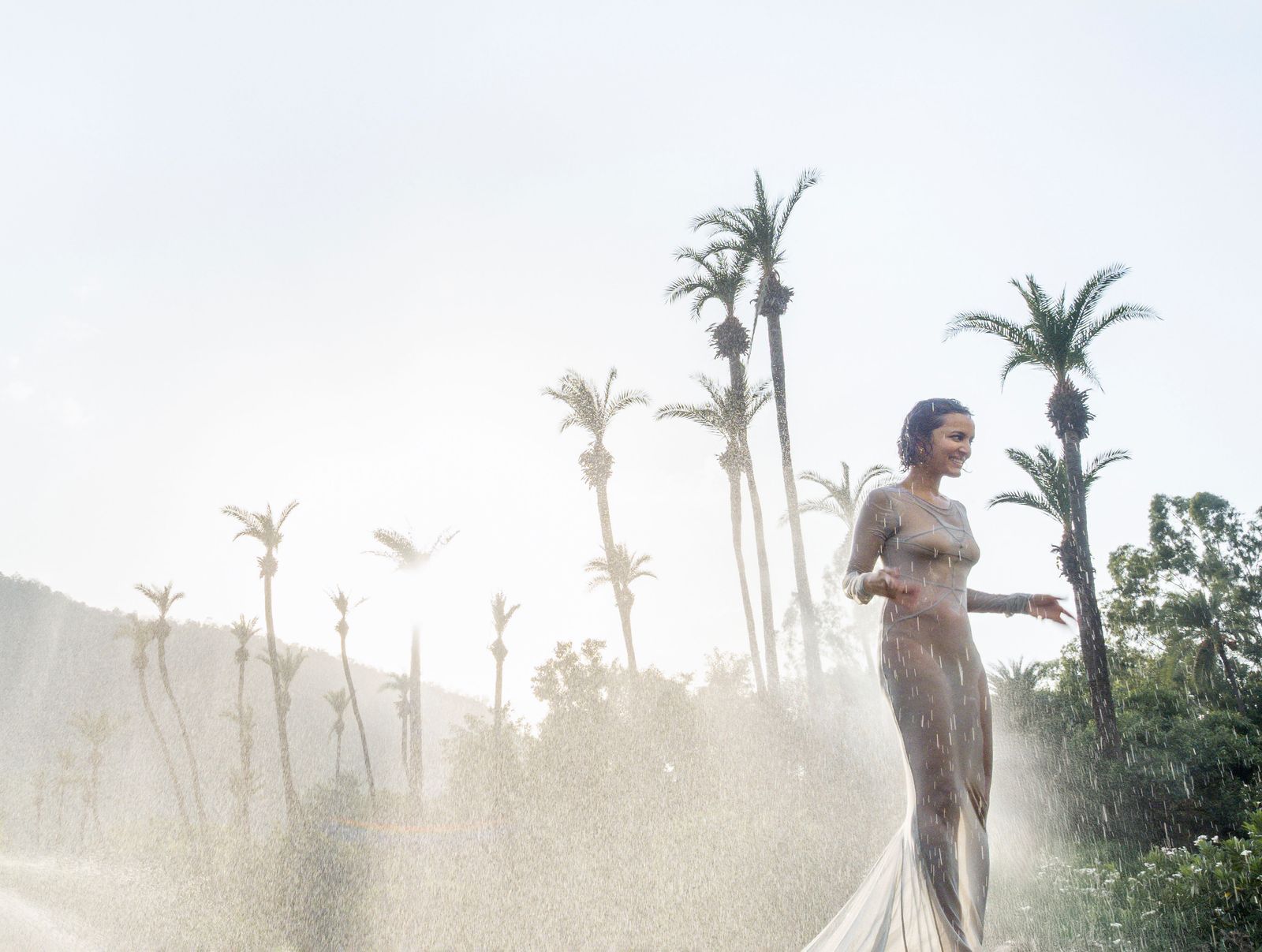
Anoushka ShankarAlessandro Scotti
“There is such a duality to India. It can be hard not to fall into clichés, especially when the clichés are also true. The problem arises when it’s reductive like elephants, camels or butter chicken,” says Anoushka Shankar, when we meet at Amanbagh Jaipur, after her shoot for the calendar. “But there is also a really modern way of telling this ancient story, which can be very punky, edgy and strong. Global landscapes are finally shifting to embrace a more authentic and expansive breadth of South Asian presence and craftsmanship,” she says.
For Padma Lakshmi too, the idea of India is diverse and multicultural. “There are many faces of what Indian beauty looks like too,” says Lakshmi. “And for a long time, we saw only one kind of Indian beauty, manufactured to certain tastes and narrow stereotypes.”
That’s exactly what excites Mandava about this shoot, moving beyond a single narrative of her motherland. Ultimately, there isn’t one story or one identity of South Asian representation, she believes. “It is dynamic, multicultural, constantly evolving – connected both by shared histories and remarkable differences. There’s tradition, of course. But there’s also innovation, creativity, and a very contemporary, global way of living.”
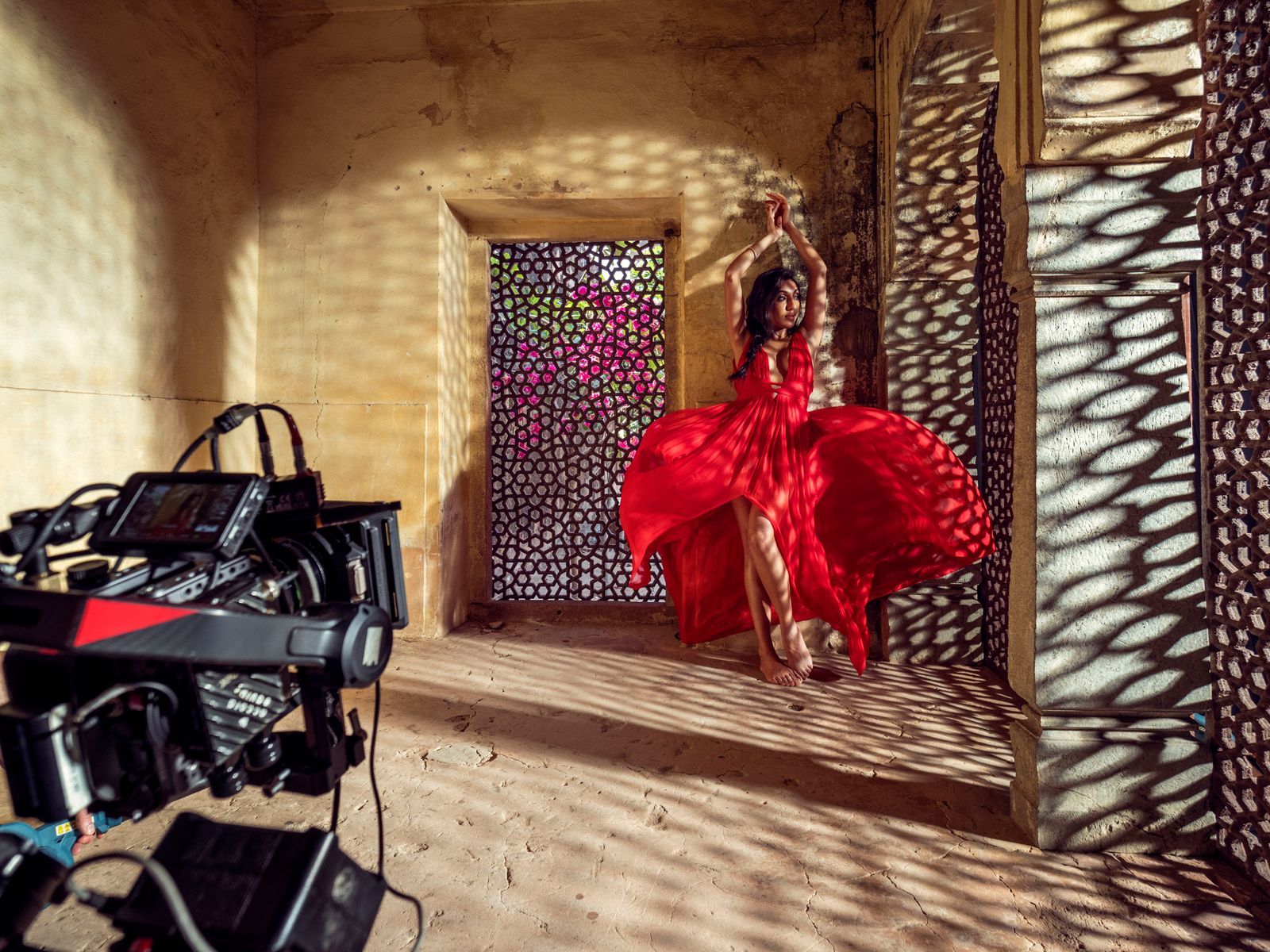
Rupi KaurAlessandro Scotti
Every model present plays their own role in reshaping the narrative of India. Sundsbø turns his lens to their stories and what they represent. Raghu Rai’s spirit imbues the project with his photographs of India past and his vision of India present. But both united by their end goal to capture a country that defies every definition, convention and expectation.
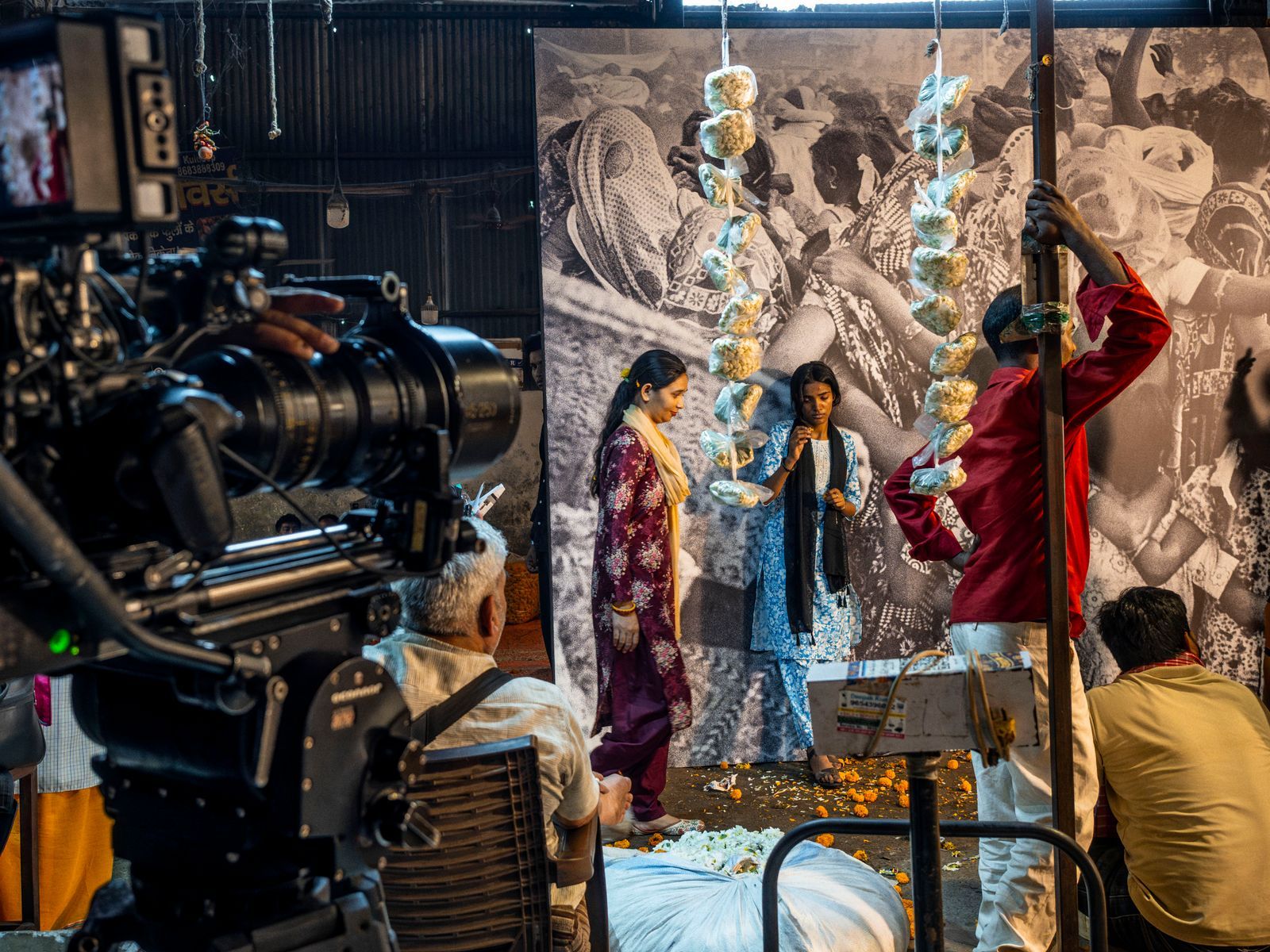
Raghu Rai’s archival imageAlessandro Scotti