The Chamber Music series documents the life Paul Knight shares with his partner, Peter. (ABC Goulburn Murray: Allison Jess)
Paul Knight, an artist from Ettalong Beach in New South Wales, has won the National Photography Prize at the Murray Art Museum Albury (MAMA).
It is Australia’s longest-running acquisitive photography award and carries the $40,000 Audray Banfield Award.
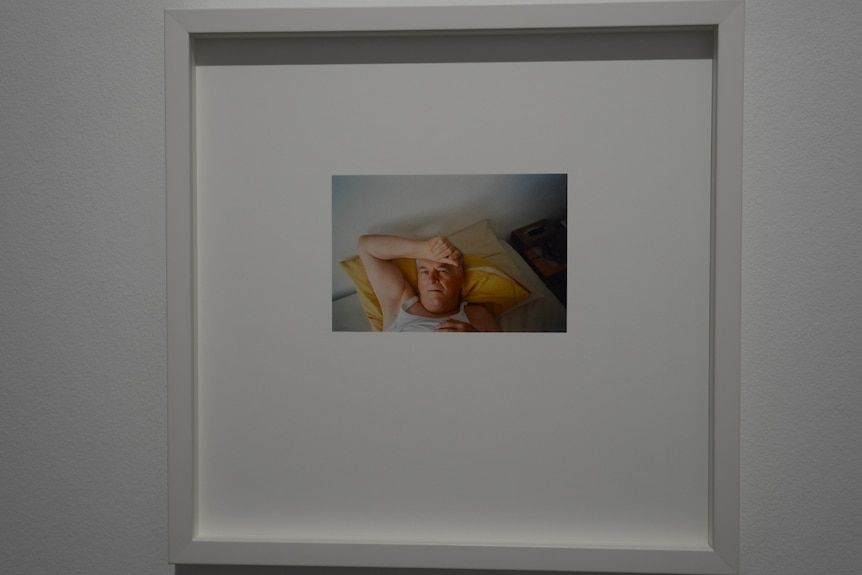
Knight’s winning series, Chamber Music, documents the domestic life he shares with his partner, Peter, and the ways relationships are shaped day by day.
Small photograph of man lying on a pillow on a bed with his hand on his forehead in a large white frame.
Knight was one of 12 finalists, alongside Alana Hunt, Alex Walker, Amalia Lindo, Arlo Mountford, David Stephenson, JD Reforma, Lisa Stonham, Marian Tubbs, Morgan Hogg, Nathanael Edwards and Sarah Rhodes.
The finalists’ works can now be seen in the 2026 National Photography Prize exhibition.
The winner was announced at the exhibition’s opening on Saturday, where Morgan Hogg also received the $5,000 Emerging Artist Award for Silver Tongues, which explores Pacific mythology and storytelling.
A woman with dark hair and tan skin stands in front of a green background.
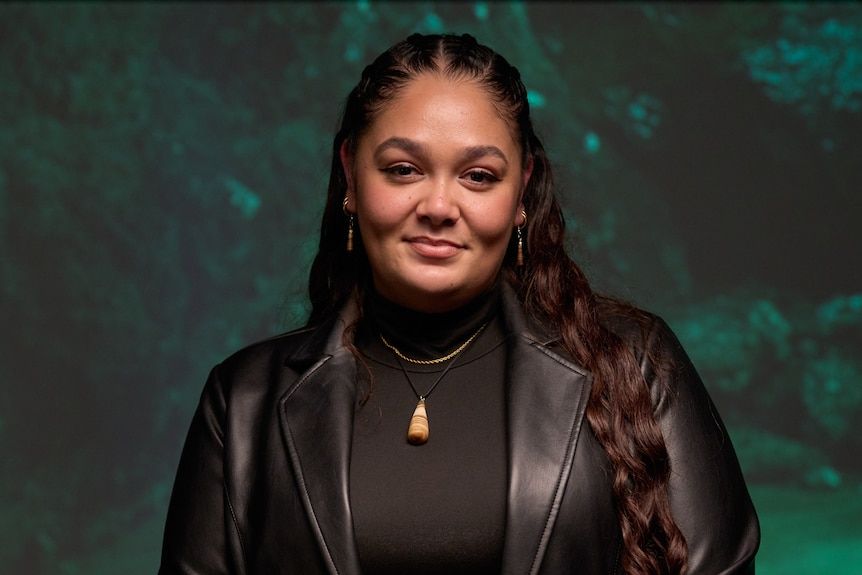
Morgan Hogg won the $5,000 John and Margaret Baker Fellowship. (Supplied: MAMA Albury )
Through a traditional Cook Islands dance, Hogg explores the role of the Momokē — water people of the underworld who lure the souls of those nearing their passage to the next life.
More than 330 artists entered this year’s competition. A curatorial committee comprising MAMA CEO Blair French, 2024 National Photography Prize recipient Ellen Dahl and MAMA First Nations curator Alinta Maguire selected the 12 finalists.
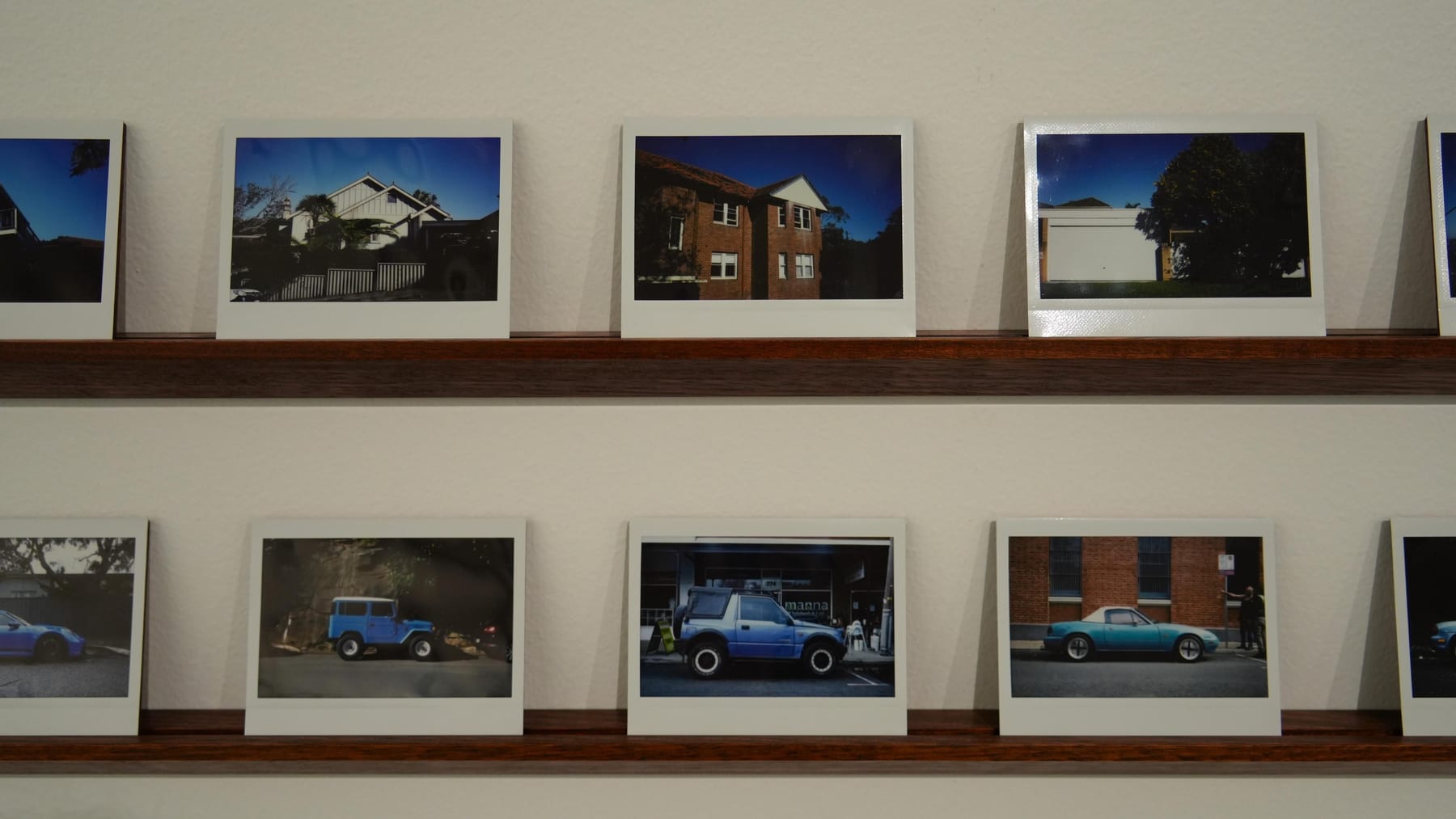
Part of Alana Hunt’s work comprised 64 Polaroids. (ABC Goulburn Murray: Allison Jess)
Natasha Bullock, senior curator of photography at the National Gallery of Victoria, selected the winners of the National Photography Prize and the Emerging Artist Award.
“The work really captures the freedom with which artists are working today,” Ms Bullock said. “Photography can be intimate, it can be highly conceptual or technically experimental and it can embrace all of the above. What’s exciting is the way these finalists are bringing all of these possibilities together, and finding new ways to make us look and see.”
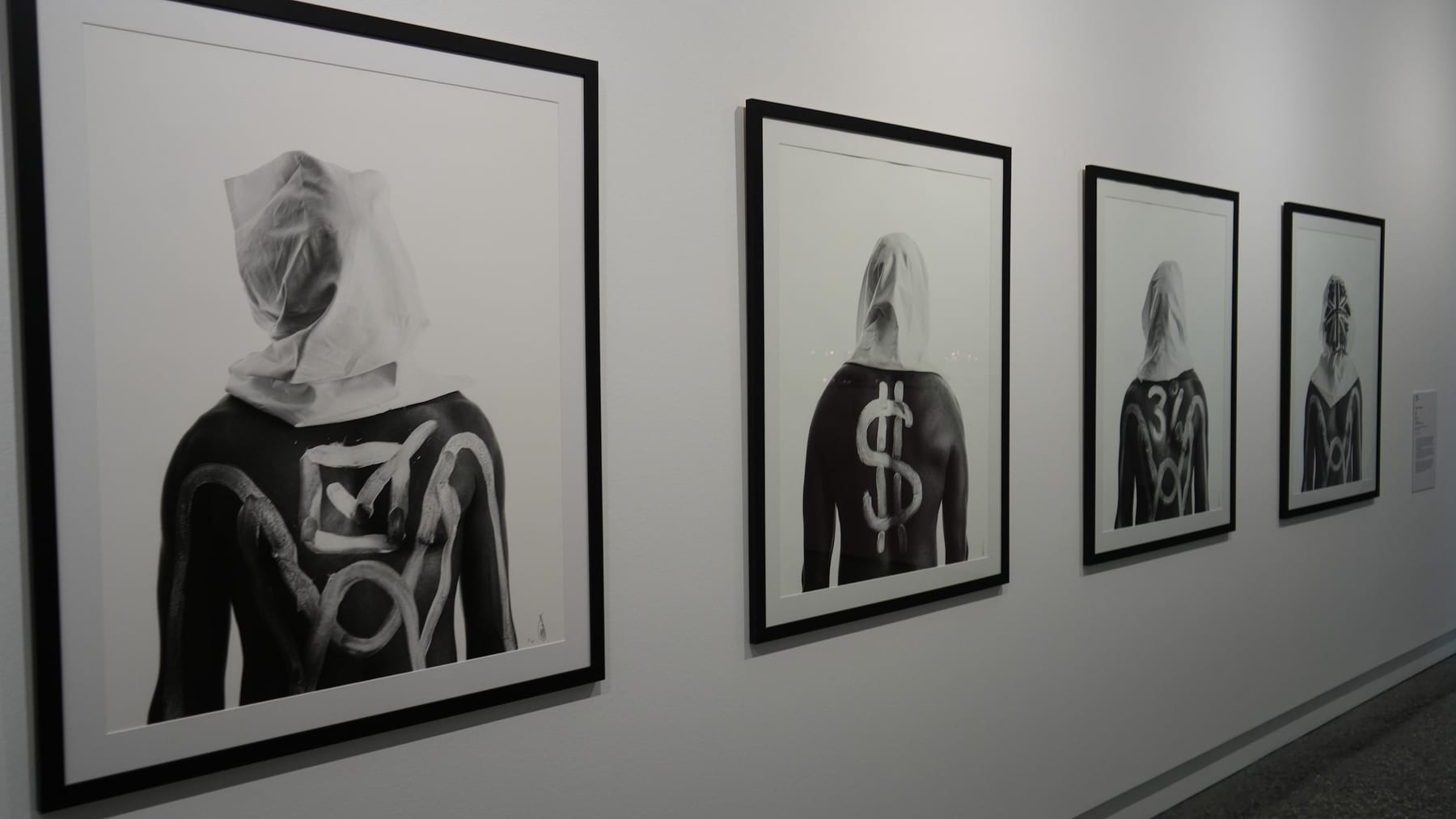
The Hear No, See No, Speak No series by Nathanael Edwards. (ABC Goulburn Murray: Allison Jess)
Mr French said this year’s finalists came from Far North Queensland, Tasmania, regional NSW, Sydney and Melbourne, and had varied levels of experience, from early career to “40-plus years” in the industry.
“The work is diverse and covers many themes and concepts, including family history, intimate stories, memories, environment, cultural identity, and connections to place,” Mr French said.
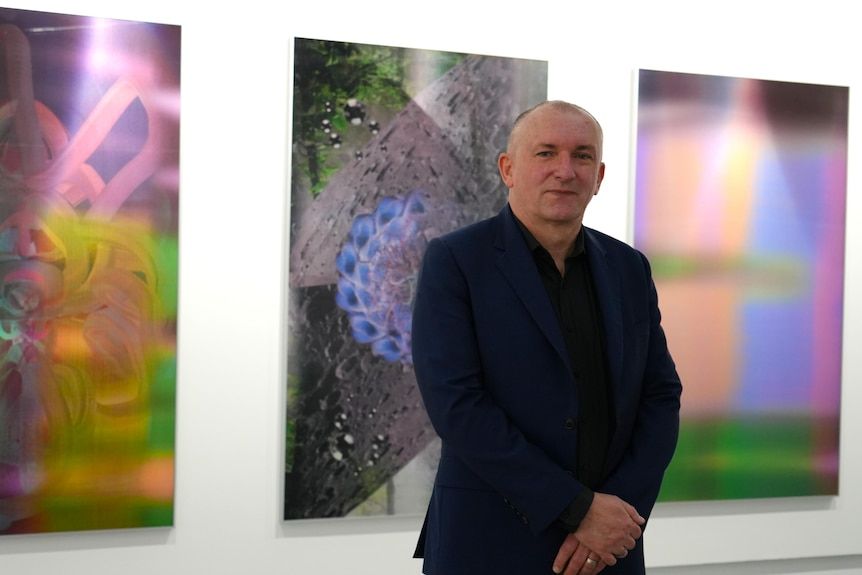
Mr French says MAMA has a reputation for having a significant photography collection. (ABC Goulburn Murray: Allison Jess)
Mr French said the biennial competition is unique because it considers a body of an artist’s work created over the past two years, rather than a single piece.
“You have a range of works by an artist that give you pause to consider and that’s pretty rare in art prizes,” he said.
The powerhouse behind the prize
The National Photography Prize was first held by MAMA — then known as the Albury Regional Art Gallery — in 1983.
The idea came from the gallery’s inaugural director, the late Audray Banfield.
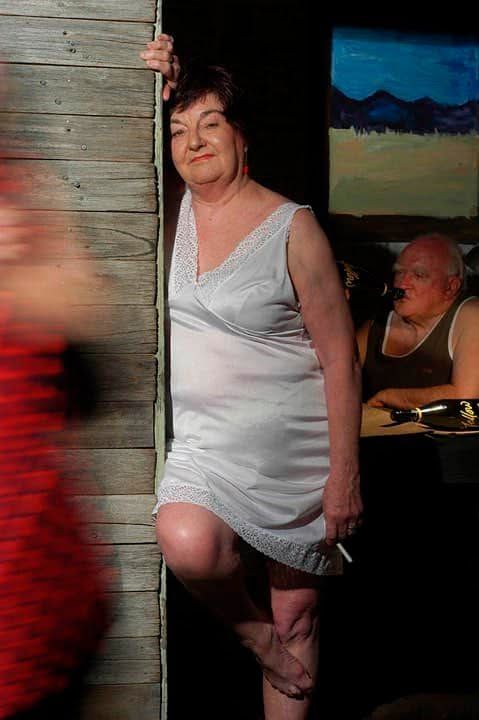
A 2004 portrait of the late Audray Banfield, who was a well-known advocate for photography. (Supplied: Jules Boag and Rita Lazauskas, MAMA Collection)
Over the years, Ms Banfield helped build the museum’s contemporary photography collection, which now includes more than 600 works, including important pieces by Tracey Moffatt, Max Dupain, Richard Woldendorp and Phillip Quirk.
Mr French said Ms Banfield’s name has officially been attached to the $40,000 award this year.
“The gallery was founded and opened in 1981, and that’s when Audray decided to make photography a focus of the gallery, with an aim to build on a collection of national significance,” he said.
“When Audray passed away in 2024, we found it was appropriate to honour her within the museum and within the photography community.”
The $40,000 prize is funded by the MAMA Art Foundation, which is separate from the museum and focuses on fundraising and advocacy for the museum and its collection.
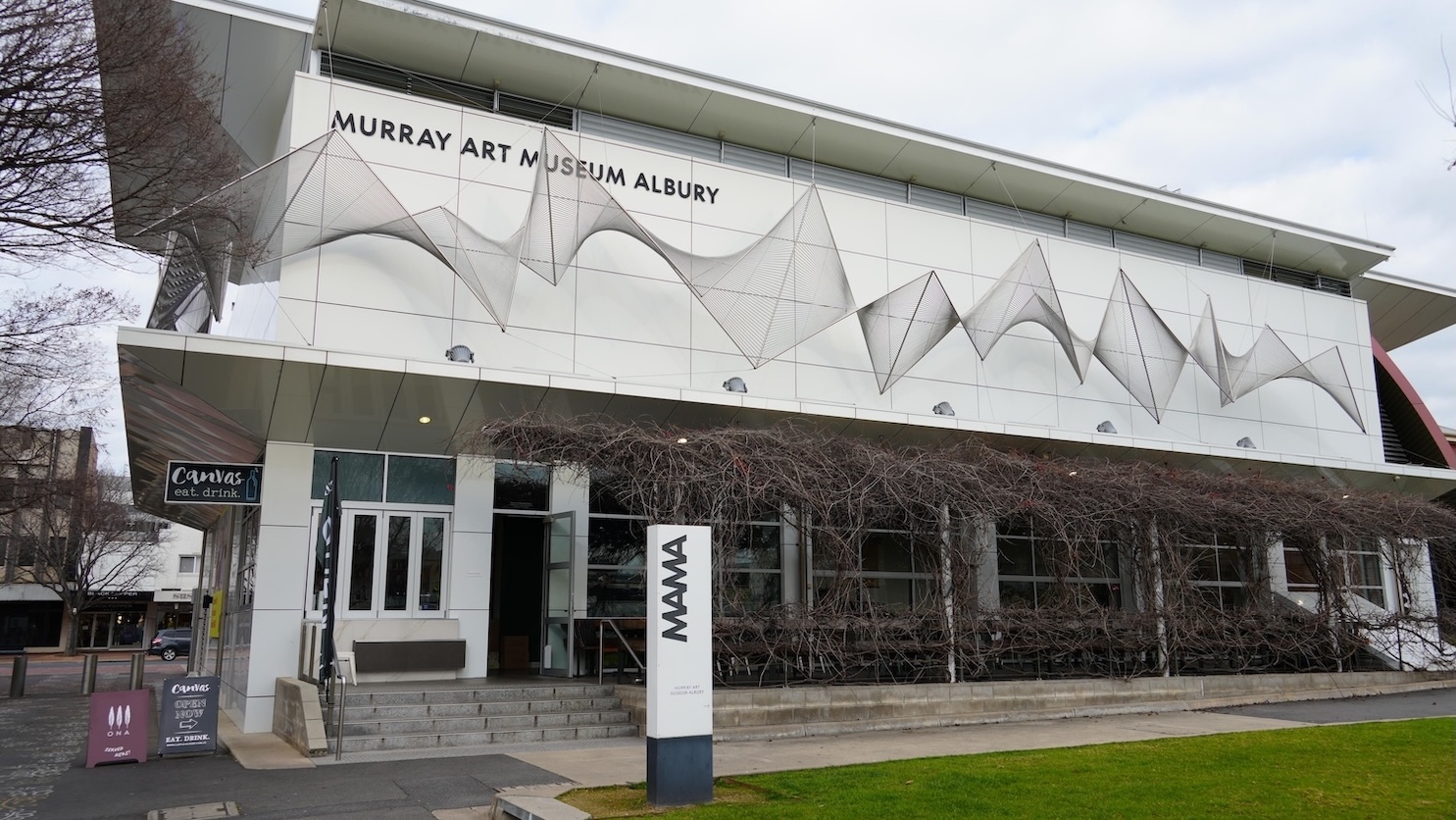
The Albury Regional Art Gallery was officially renamed the Murray Art Museum Albury after renovations in 2015. (ABC Goulburn Murray: Allison Jess)
This year, the National Photography Prize award increased from $30,000 to $40,000.
“When we sat down with the foundation and talked about naming the main award after Audray, we also asked them to think about lifting the prize amount,” Mr French said.
“It has sat at $30,000 for a while and the way the world is, to put a little bit more money into artists pockets is an important part of what we are trying to do.”
The National Photography Prize exhibition is at MAMA until November 22.